DIAMONDS
24 October 2026
Sell a Diamond Ring in Dubai: Natural vs Lab Grown Value
Who buys a used diamond ring in Dubai, what they ask to see, and what dated market reports say about natural and lab grown diamond prices.
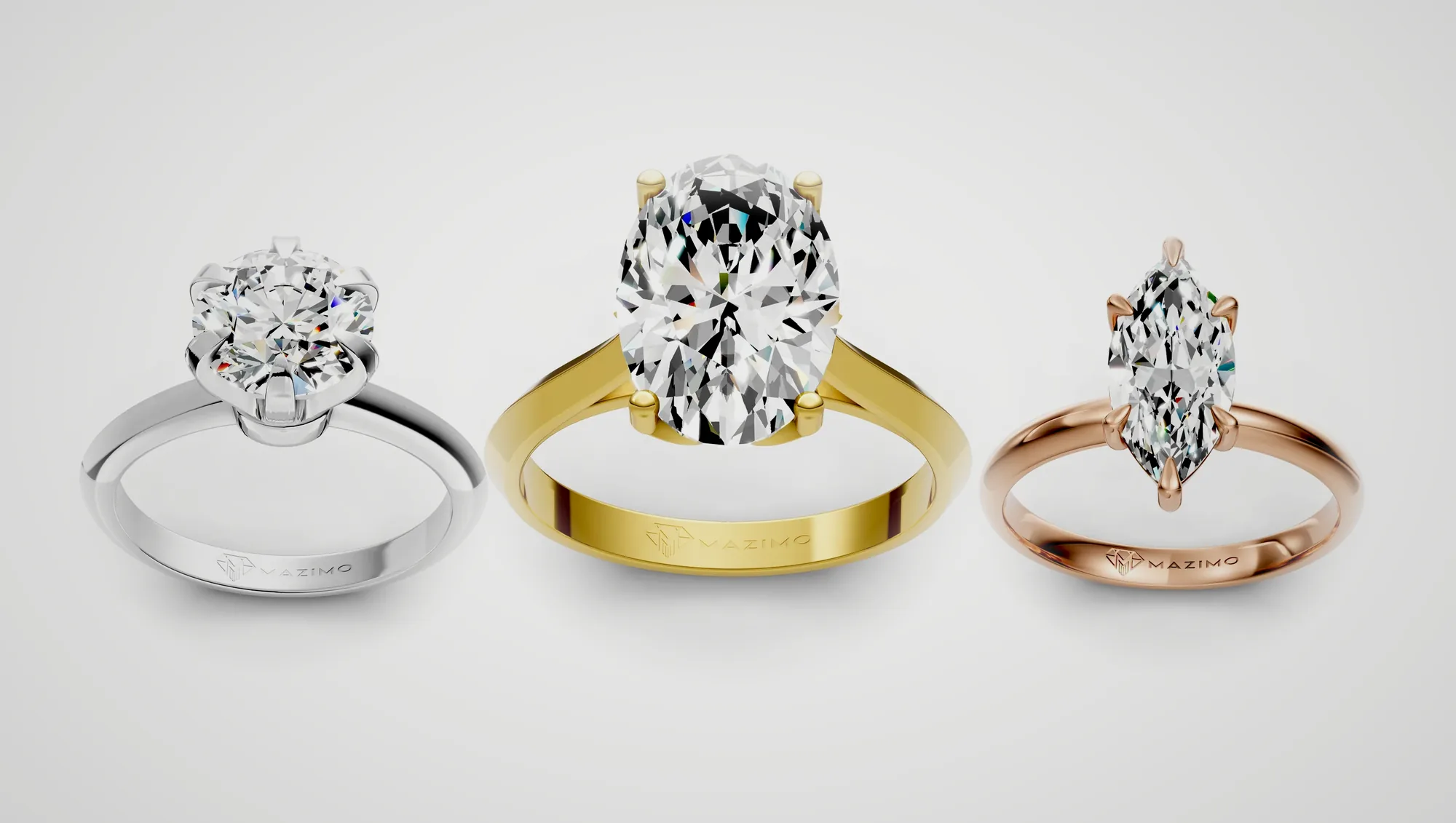
You can sell a diamond ring in Dubai, but expect an offer below what the ring cost new, and a lab grown stone is likely to fetch less than a natural one. Our diamond page rates natural resale as well below retail and lab grown as minimal. The price depends on who buys, what they do with the ring next and what paperwork you can show. An insurance valuation is a different figure and is not an offer.
At a glance
- GIA says its grading reports state no monetary value, so value is set separately, by an appraiser or by a buyer's offer.
- Lab grown wholesale prices fell 26 percent in 2025 and about 96 percent since 2018, according to analyst Edahn Golan's list as reported by JCK on 10 August 2026.
- Natural prices fell too: in a 28 September 2026 article on natural diamonds, InvestmentNews reported, citing Rapaport data, a 51 percent drop in the average one carat price over five years.
- GIA says insurance appraisals more commonly state replacement value, which in the International Gem Society's silver dinnerware example is above the realistic sale price, so an insurance paper can show more than a buyer pays.
- UAE dealers in precious metals and stones must apply full customer checks from a set transaction value, risk-based checks below it, and keep records for at least five years, so expect to show ID.
Sources checked 20 October 2026, except the IGI page, read on 24 October 2026. We read Rapaport data through press reports. We found no published figure for what Dubai buyers pay for used rings, so we give none. We did not check UAE VAT rules, which ID a buyer must see, or what receipt a buyer must give a seller.
How do you sell a diamond ring in Dubai, and who buys it?
You can sell it to a jeweller, a gold buyer, a diamond dealer or a private buyer, and the offer follows what that buyer can do with the ring next. The Ministry of Economy and Tourism's March 2026 guidance for dealers in precious metals and stones names retail jewellers, direct buyers and pawnshops among the businesses that may buy used jewellery.
Each route prices the ring differently: the buyer can resell it whole, sell the stone loose, or melt the gold. The table is our reading of the trade, not a rule.
| Buyer | Usually prices the ring on | Ask them |
|---|---|---|
| The jeweller you bought from | Its own buy-back or trade-in terms, if any | Do the terms cover the stone as well as the gold? |
| Another retail jeweller | What it can resell the ring for | Which part do you value: stone, gold or both? |
| A gold buyer | The metal, by weight and karat | Is the stone valued at all? See our old gold selling guide |
| A diamond dealer | The stone, from its report and trade prices | Which reports do you accept? |
| A private buyer | Whatever you agree | How are identity and payment handled? |
Diamond ring valuation vs resale: why a buyer pays less than you paid
A buyer pays less than you paid because one ring has several values, and an insurance paper often states the highest. The International Gem Society's appraising primer, updated 22 March 2021, names four values: original value, the price set at the time of sale, and three that matter when you sell:
- Replacement value: the cost of replacing the item with the same kind and quality. In its worked example, a silver dinnerware set, it is the highest.
- Fair market value: the price a seller and buyer would likely agree locally, judged from auction records, second hand data and shop prices.
- Liquidation value: what the item fetches when sold quickly, without time to find a better offer. In the same example the page gives no figure for it, only the item's weight times what a scrap dealer pays for the metal.
GIA's appraisal tips, published 12 June 2014, say replacement value is more common for insurance and fair market value is needed for estate planning. GIA does not appraise, and says many appraisers advise updating an appraisal every two to three years.
GIA's explanation of reports and appraisals (28 August 2012) says a grading report does not indicate monetary value. Our reading: keep a replacement valuation for your insurer, and use buyers' offers to learn what a sale would bring. Mazimo lists written valuations for insurance among its services; ask any valuer, as GIA suggests, whether they are independent of the seller (for a ring bought from us, we are the seller).
Our reading: three things sit between your bill and an offer: the retailer's margin on the stone (see the markup figures below), the making charge, which a gold-weight price does not repay (see making charges against the gold rate), and the buyer's need to resell for more than it pays.
What do buyers ask to see when you sell a diamond ring?
Our reading of what helps a buyer: the ring, the original grading report, the receipt and your ID. We found no survey of what Dubai buyers require, and none of these guarantees a price.
- The grading report. GIA says a diamond without a report carries more risk in value and trust, because the buyer relies on the seller's word (GIA, 21 March 2025). IGI says a diamond should come with a grading report from a gemological institute whenever it changes hands, because detection technology changes fast (IGI, 24 May 2022). See our guides to GIA reports, IGI reports and certificates in Dubai.
- No report? GIA's submission guide (28 July 2012) says it issues its Diamond Grading Reports only for unmounted stones, so a set stone would have to come out first.
- The receipt. It should show what you were told you bought, including the words natural or lab grown beside the stone if the seller wrote them. The UAE Government portal (updated 2 September 2026) says a supplier must give a consumer a dated invoice naming the business, goods, price and quantity, and says nothing about second hand goods. Our buying guide lists what else it should show.
Natural vs lab grown resale value: what the price data shows
Both kinds have fallen in price, lab grown by more, over different periods and by different measures. Natural one carat prices stopped falling in mid-2026, according to press reports of Rapaport data.
InvestmentNews also reports that an index of investment-grade diamonds hit a record low in early August 2026. Treat the table as direction, not ratio: we found no figure that is a price paid for a used ring, and none that is a Dubai offer.
| Measure | Natural | Lab grown |
|---|---|---|
| Price change over time | Average one carat price down 51 percent, September 2021 to September 2026 (InvestmentNews, citing Rapaport; stone type and trade or retail basis not stated) | Wholesale list down 26 percent in 2025 and 96 percent since 2018 (JCK, 10 August 2026, citing Golan) |
| Recent reading | Rapaport's one carat index stopped falling after 13 months of decline: JCK (17 August 2026) says July, InvestmentNews August. We could not read Rapaport, so we give no later figure. | Wholesale down 14 percent year on year in the first quarter of 2026 and 13 percent in the second (JCK) |
| Larger stones | De Beers: natural stones above two carats began to see price increases after the correction (InvestmentNews, undated) | Golan: the steepest wholesale falls are in larger stones (JCK) |
| Retail markup | We found no independent figure | Golan: can be 250 to 300 percent on a loose stone; Paul Zimnisky, via JCK: over 80 percent above wholesale |
JCK does not say which of Golan's series its percentages describe. Golan's own wholesale list covers loose, round, certified stones sold in Mumbai and Surat; his retail data come from United States stores (Edahn Golan, August 2026). His page gives more than 97 percent over seven years for one and two carat stones, against JCK's 96 percent. The two markup figures also differ, and no source we read explains why or which fits Dubai.
The arithmetic on Golan's retail figure: a gross margin of about 73 percent means the retailer's own cost is the other 27 percent (100 minus 73) of the shelf price. Our reading: a dealer buying your lab grown stone competes with new ones at wholesale, so an offer near your price is unlikely.
For natural stones, InvestmentNews says the traditional investment pitch now needs significant qualification, and that natural diamonds may still have a role in larger stones, exceptional colour and provenance-backed pieces.
Can you sell a lab grown diamond ring?
Yes. IGI describes lab grown and natural diamonds as essentially identical in their properties (IGI, 24 May 2022), and the 18K gold is worth the same as in any ring. But a buyer may not want the stone, and it may add little to an offer. We sell lab grown rings, so we state this plainly.
JCK quotes one dealer who says lab grown diamonds have no resale value and that, in a case he described, only the mounting kept any.
- Say what it is. The US Federal Trade Commission's guidance for jewellers puts the lab grown wording immediately before the word diamond. That is a US document and we have not checked UAE rules.
- A buyer may test it. GIA says laboratories use specialised screening equipment and spectroscopy to separate natural from lab grown. Our guide on diamond testers covers what home testers can show.
Our pros and cons guide and natural versus lab grown comparison cover the buying side.
How much is my diamond ring worth? Estimate it in parts
Split the ring into gold, centre stone and small stones, and ask for a written figure for each. The gold has a formula; the stones depend on the report and the buyer.
Gold: 18K is 750 parts of pure gold in 1,000, or 75 percent. Take an example ring of 4 g in total, set with one 2 ct stone; it is not a Mazimo ring weight. A carat is 0.2 g (GIA), so a 2 ct stone weighs 2 × 0.2 = 0.4 g. A buyer who values only the metal takes that off: 4 g minus 0.4 g leaves 3.6 g of 18K, which holds 3.6 × 0.75 = 2.7 g of pure gold. The buyer multiplies the 3.6 g by the day's per gram rate for 18K, which already allows for the alloy, as our old gold guide explains.
Stones: the centre stone's value depends on its report and the buyer's route to resale. For small stones in halos and pavé, ask whether a buyer values them at all. The Round Pavé Solitaire Ring page lists 168 pavé stones of about 0.90 mm and 0.5 ct in all, about 0.5 × 0.2 = 0.1 g of stone spread over 168 stones.
UAE rules a seller should know: ID, records and reports
The March 2026 Ministry guidance above makes full customer checks mandatory from a set transaction value, asks dealers in precious metals and stones to take a risk-based approach below it, and to keep records for at least five years. Our reading: expect a licensed buyer to ask for your Emirates ID or passport, though the guidance names no document, and ask for a receipt. The guidance says it does not replace the law.
- Large payments are reported. Dealers file a report once a cash transaction with an individual, or a cash or wire transfer transaction with a company, reaches a set level, suspicious or not. We do not print the figure because it can change.
- Trade-ins count. One of the guidance's examples treats a ring accepted as a trade-in as a cash equivalent when testing whether a deal reaches the value that triggers full customer checks.
How to prepare and get two or three offers
Ask two or three licensed buyers for written offers on the same day, with each offer split into gold and stone.
- Gather the papers: report, receipt, any gold certificate, and your ID.
- Clean it gently (see our cleaning guide).
- Gold moves daily, so quotes only compare on one day. Deira has many gold shops close together (see our Gold Souk guide).
- Weigh it in front of you, and keep the ring in sight until the deal ends.
- Get each offer split and in writing: gold, stone, deductions, and whether it is cash or credit towards another piece.
- Do not rush. A rushed sale can end at the liquidation value described above, and a quote does not oblige you to sell.
Buying now and selling later: what to ask before you pay
If you may one day sell, ask the seller in writing whether it buys rings back, which part it values and on what basis. We make no statement here about buying back rings: ask any seller, including us on WhatsApp, before you pay. Our cost guide explains how to compare quotes.
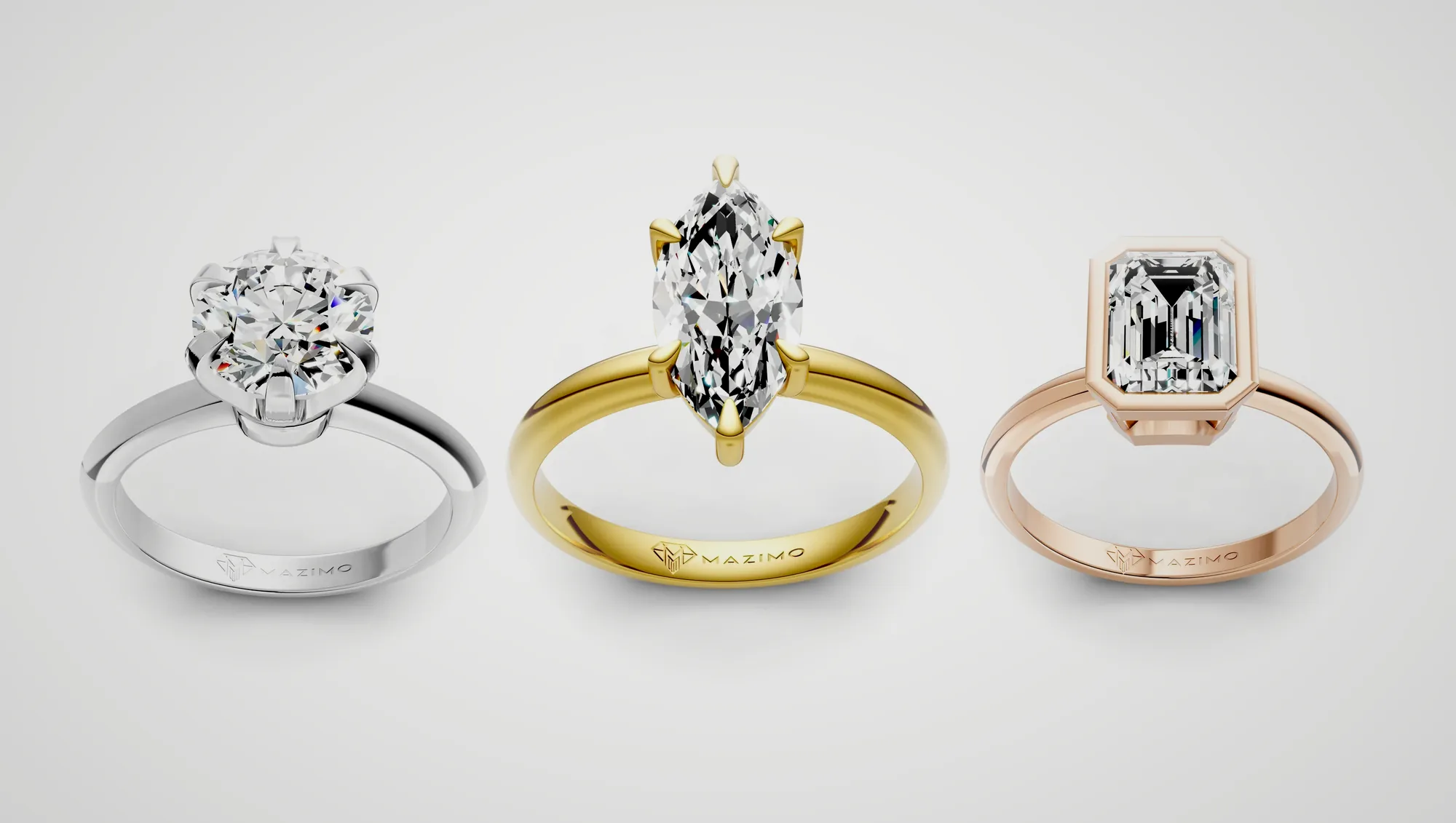
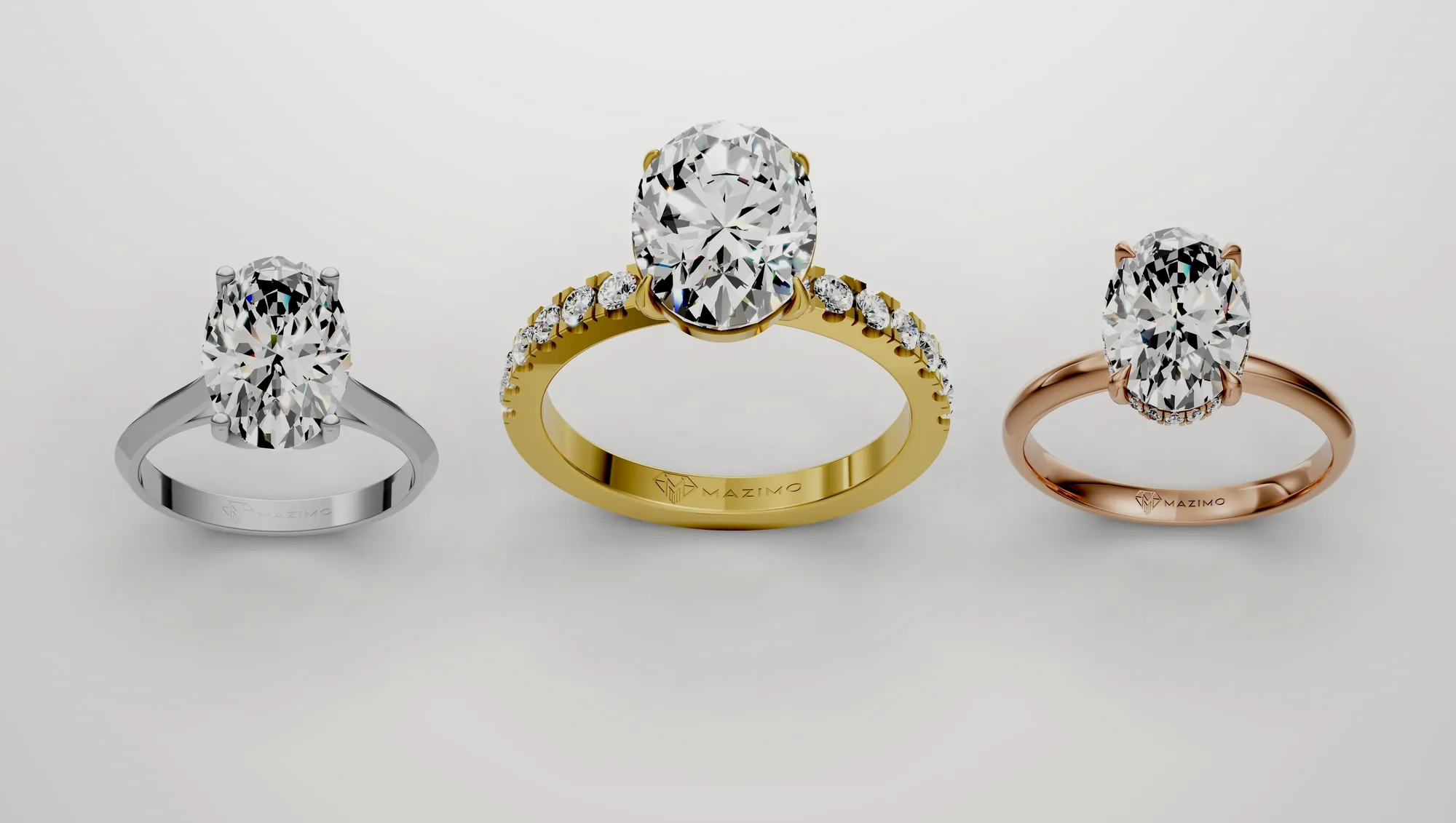
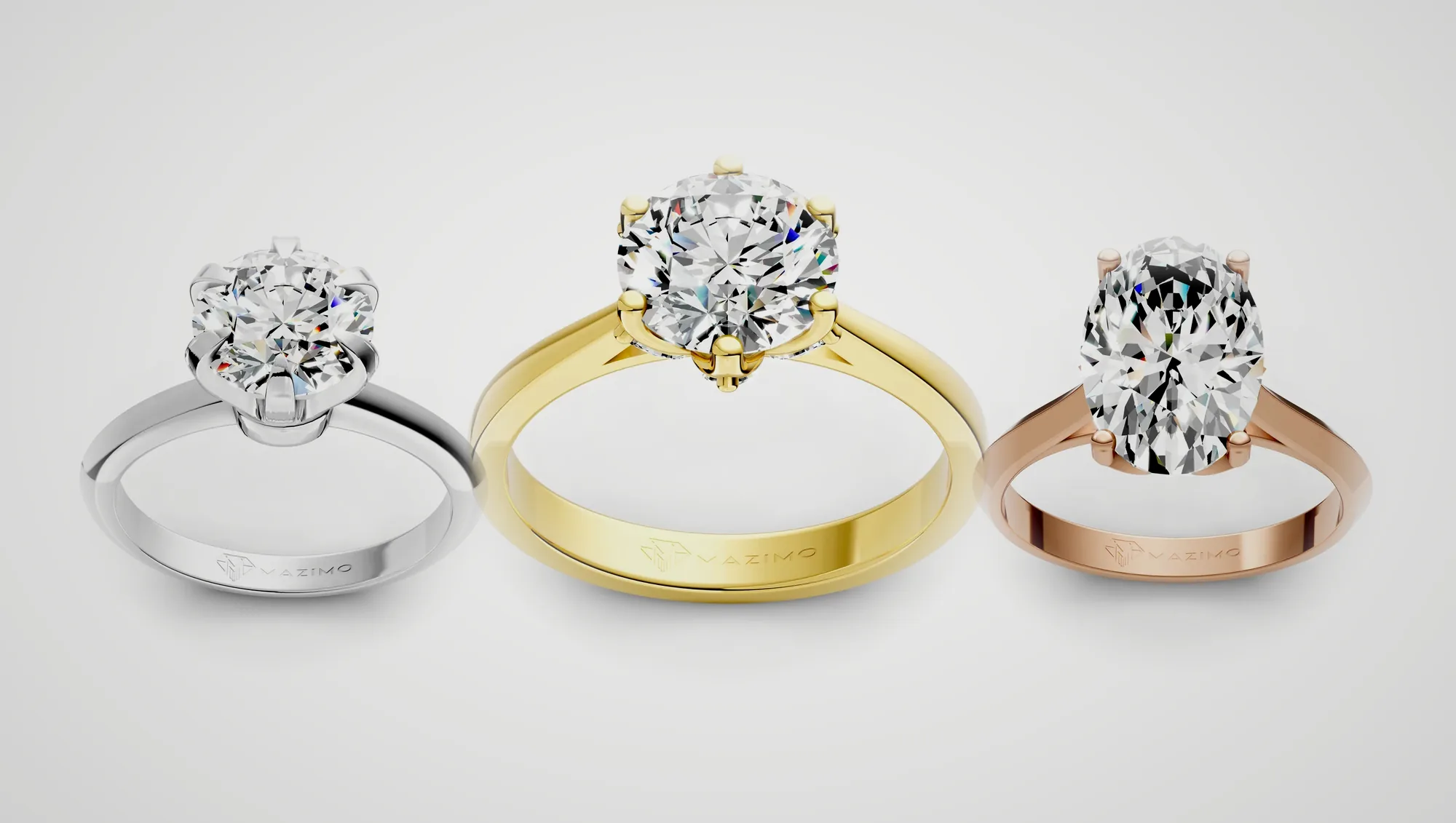
Our reading: a ring with one centre stone and a report is easier to describe and check than one set with many small stones. On their product pages, the Round Solitaire Ring, 2 ct, the Oval Solitaire Ring, 3.5 ct and the Marquise Solitaire Ring each hold 1 diamond; the Round Pavé Solitaire Ring holds 169. Our ring pages do not state a diamond's type or grade.
If you are selling because the ring does not fit, check resizing first. The first resizing of a Mazimo ring is complimentary; see resizing a diamond ring. Browse all diamond rings or only solitaires.
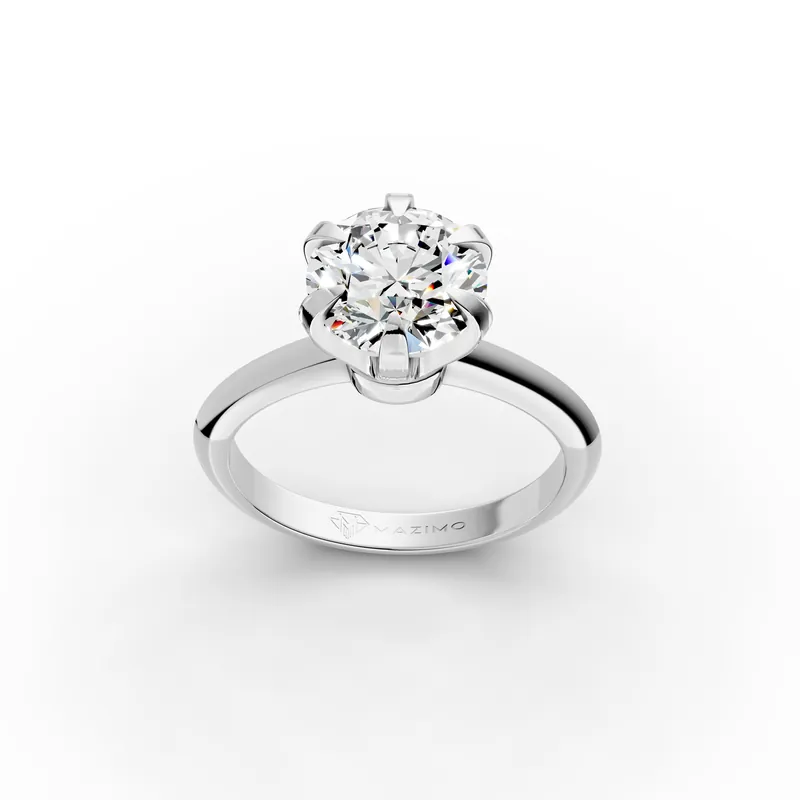 Round Solitaire Ring, 2 ctRound · 2 ct
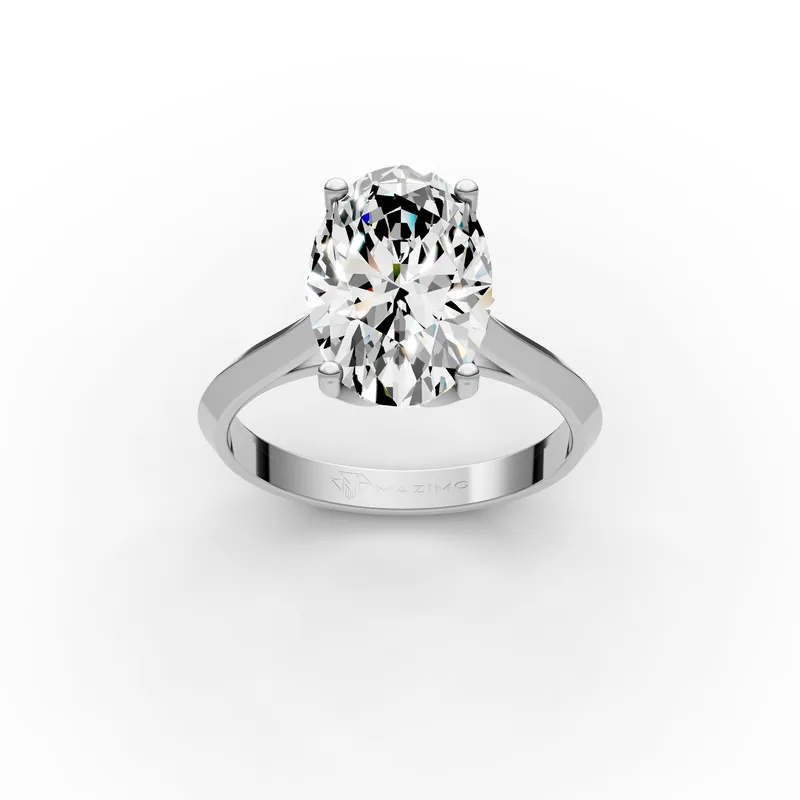 Oval Solitaire Ring, 3.5 ctOval · 3.5 ct
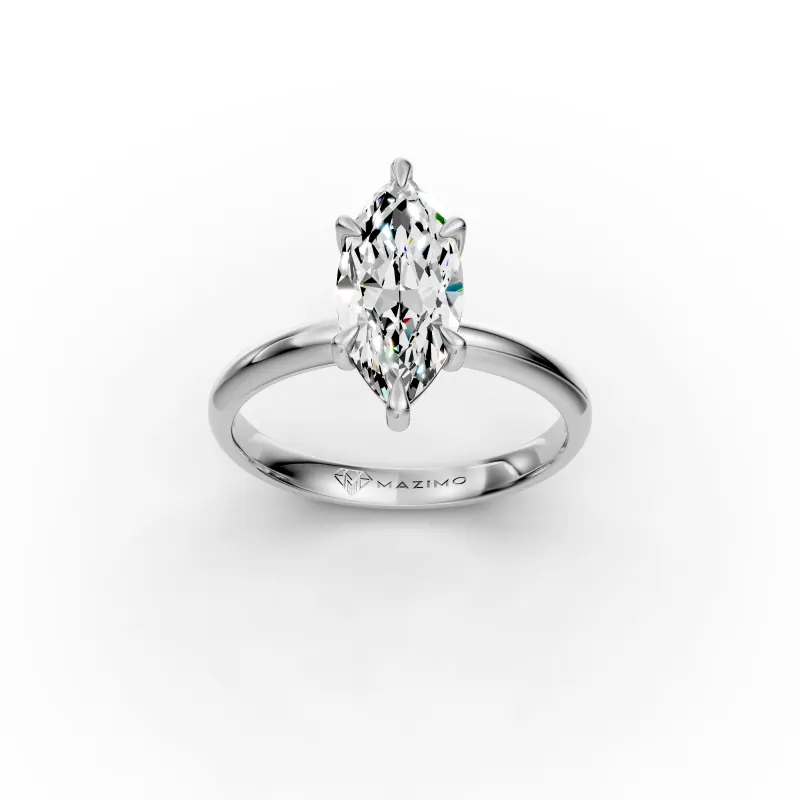 Marquise Solitaire RingMarquise · 2 ct
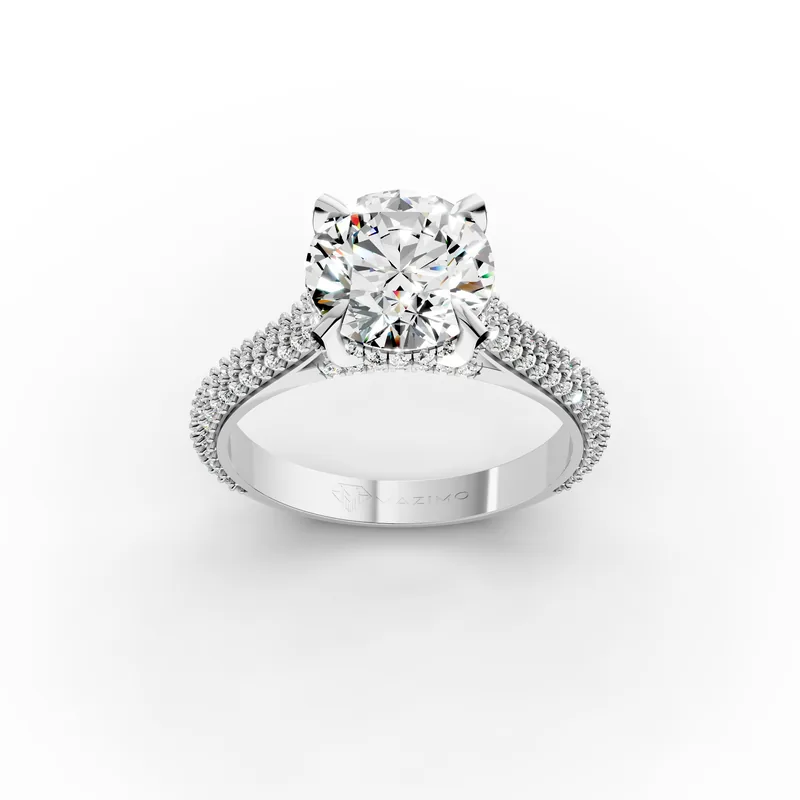 Round Pavé Solitaire RingRound · 2 ct
Questions people ask
How much is my diamond ring worth?
It depends on the gold's weight and karat, the centre stone's report and the buyer's plan for resale. Insurance valuations can run higher than offers. Ask two or three buyers for written offers on the same day.
Can I sell a lab grown diamond ring?
Yes, but a buyer may value the stone little or not at all. The 18K gold is priced by weight and karat as in any ring. Say plainly that the stone is lab grown, and bring the report if you have one.
Do lab grown diamonds have resale value?
Probably little. A dealer quoted by JCK sees no resale value. Wholesale prices of new lab grown stones fell 26 percent in 2025 and 96 percent since 2018 on one analyst's list, which is not a resale price. We state no percentage.
Is my insurance valuation what I will get if I sell?
No. An insurance valuation is often a replacement value, the cost of a comparable ring, which GIA says is the more common basis for insurance. A buyer pays on what it can resell the ring for, which can be lower.
Where can I sell my engagement ring in Dubai?
To a licensed buyer: the jeweller you bought from if it takes rings back, another jeweller, a gold buyer for the metal, or a diamond dealer for the stone. Compare written offers, since each prices a different part.
Do I need the GIA certificate to sell a diamond ring?
A report helps, and we did not check whether any UAE rule requires one. GIA says a diamond without a report carries more risk in value and trust, so a buyer may offer less (our reading). GIA issues its grading reports only for unmounted stones, so a set stone would have to come out to be graded.
Do I need ID to sell jewellery in Dubai?
Probably. The Ministry of Economy and Tourism's March 2026 guidance makes full customer checks mandatory from a set transaction value, asks dealers to use a risk-based approach below it, so a licensed buyer is likely to ask for ID. Bring your Emirates ID or passport.
At Mazimo. Before you buy a ring from anyone, including us, ask what the seller does with the ring and the stone later, and get the answer in writing. Preview a ring at true size in our ring designer, tell us whether you prefer natural or lab grown, and we give the price on WhatsApp. Our rings are 18K gold, hallmarked in Dubai and delivered insured across the UAE at no charge. To weigh the two stones first, read our natural and lab grown comparison and our 4Cs guide.