DIAMONDS
17 October 2026
Lab Grown Diamond Pros and Cons: What the Sources Say
Is a lab grown diamond real, does it last, and what do resale, HPHT, CVD and report wording mean? Pros and cons from GIA, IGI and FTC sources.
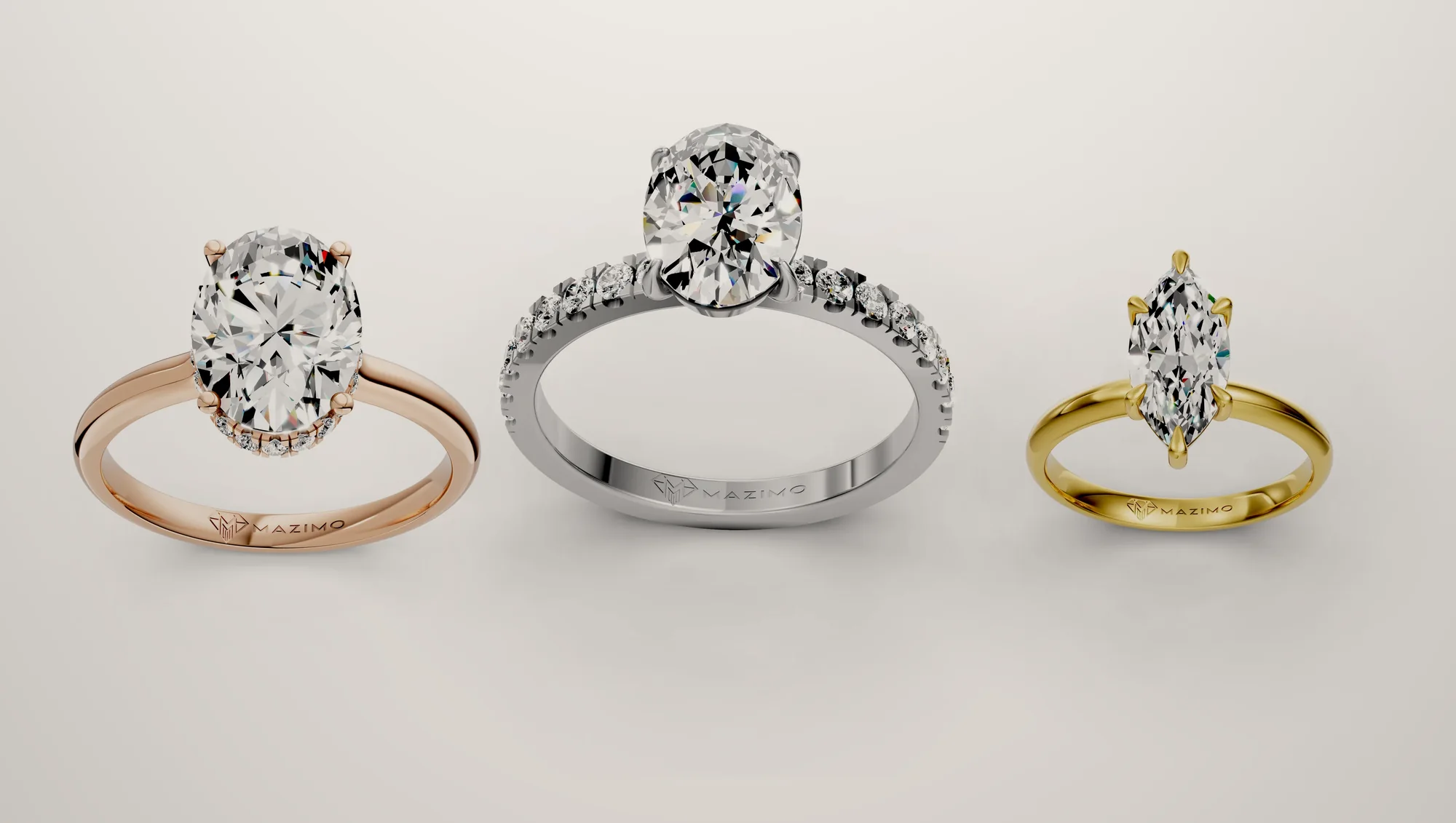
Lab grown diamond pros and cons in short: it is diamond, scoring 10 on the Mohs scale like a mined stone, and our diamond page says it usually buys more size and brightness for the same budget. The cons: resale is minimal, supply is grown to demand, and report wording differs between laboratories. Like any diamond, it can chip on a hard blow. We make rings with either kind, so we can set out both sides.
At a glance
- A lab grown stone is diamond, not a simulant: the US Federal Trade Commission (FTC) definition no longer needs the word natural. GIA and IGI also treat it as diamond, not a simulant.
- Hardness is 10 for both, but GIA says a hard blow can fracture a diamond.
- Ask what the report says about treatment: about 80 percent of the CVD stones submitted to GIA had post-growth HPHT treatment.
- On our own comparison, resale is minimal for lab grown. Natural keeps some, well below retail. We state no figures.
Sources checked 17 October 2026. We have not checked UAE federal disclosure rules.
Lab grown diamond pros and cons: the summary in one table
The main pros are the material and, on our diamond page, more size and brightness for the budget. The main cons are resale and paperwork.
| Point | Pro or con | Evidence |
|---|---|---|
| Material | Pro | FTC: essentially the same properties. GIA: nearly the same. IGI: identical. |
| Hardness and toughness | Pro, with a limit | Both score 10 on the Mohs scale. Any diamond can chip. We found no GIA or IGI statement comparing their toughness. |
| Size and brightness for the budget | Pro | Our diamond page comparison, not a study: lab grown usually buys more of both. We state no figures. |
| Supply | Con for some | Our diamond page comparison, not a study: lab grown is grown to demand, natural is finite. |
| Resale | Con | Our diamond page comparison, not a study: minimal for lab grown. Natural keeps some, well below retail. |
| Paperwork | Varies | IGI grades lab grown stones on the natural scales. GIA gives Premium or Standard. |
| Treatment | Ask | GIA, 2024: about 80 percent of the CVD stones submitted had post-growth HPHT treatment. |
Is a lab grown diamond real or fake?
The US FTC definition, GIA and IGI all treat a lab grown stone as diamond, not a simulant. The FTC's 16 CFR 23.12(a) defines a diamond as a mineral of essentially pure carbon crystallised in the isometric system. Since the 2018 revision it no longer includes the word natural, because the FTC said lab created products with essentially the same properties as mined diamonds are also diamonds. The FTC Guides apply in the United States.
GIA separates simulants such as moissanite and cubic zirconia, which are not diamonds, from lab grown stones. Lab grown stones share diamond's crystal structure and have nearly the same properties, with a different growth history. IGI says a handheld thermal tester reads both as diamond. Our moissanite and lab grown diamond comparison covers the simulants.
The trade standard from CIBJO, the World Jewellery Confederation, uses different words. It defines a diamond as a mineral created by nature. Its guidelines prefer the term “laboratory-grown diamond”, with laboratory spelt out and not abbreviated. That is a difference of vocabulary, not of stone, and it is why the label matters.
CIBJO and the FTC agree that the qualifier goes immediately before the word diamond: the FTC says so in its guide for jewellers. They also agree on the words to avoid. 16 CFR 23.27 and CIBJO's guideline 3.4 both treat real, genuine and natural as words that do not belong on a lab grown stone.
Does a lab grown diamond last as long as a natural one?
For scratching, yes: IGI says only natural and lab grown diamonds score 10 on the Mohs scale. Neither is chip-proof, and we found no GIA or IGI statement comparing their toughness. Hardness is only one part of durability. GIA says durability has three parts: hardness, toughness and stability. Diamond is the hardest gemstone but not necessarily the toughest, and a hard blow can cleave or fracture it. IGI adds that a diamond can rarely chip if a ring is rapped on the edge of a counter at the wrong angle.
So we do not say either stone is tougher. Durability in a ring depends on the setting and the knocks it takes. Our warranty lists accidental damage as excluded, and we make no promise about a chipped stone. Day-to-day care is covered in our guide to cleaning a diamond ring at home.
HPHT vs CVD diamonds: how they differ, and why treatment matters
High pressure, high temperature (HPHT) and chemical vapour deposition (CVD) are two ways of growing the same crystal. The difference a buyer should care about is treatment. GIA's 2024 update says about 80 percent of the CVD diamonds submitted to it had post-growth HPHT treatment to improve their colour grade: about four in five. The table follows GIA's article on the two methods.
| Point | HPHT | CVD |
|---|---|---|
| Set-up | A seed in a press, with carbon dissolved in molten metals such as iron, nickel or cobalt | Seed plates in a chamber, with hydrogen and methane turned to plasma by microwaves |
| Heat | 1,300 to 1,600 °C | About 900 to 1,200 °C |
| Pressure | Above 870,000 pounds per square inch | Moderate |
| Time | Several days to weeks | A few weeks |
| Tell-tale signs | Geometric colour zoning, possible metallic inclusions | Usually even colour, banded strain |
GIA says most colourless CVD material was probably once brown and has been decolourised by HPHT annealing. IGI considers such treatments permanent, because they alter the stone's structure at the molecular level. What matters is whether treatment is disclosed. Two limits apply: GIA's figure covers CVD stones sent to GIA, not the whole market, and it says nothing about HPHT stones. The grades that treatment aims to improve are explained in our colour grade and fluorescence guide.
Check whether the report states the growth method and any treatment. IGI reports can state both in the comments line. Our ring pages state neither growth method nor treatment, so we claim nothing here about the stone in any ring. A grading report accompanies the centre diamond where applicable.
Why the report looks different from laboratory to laboratory
IGI grades lab grown diamonds on the same colour and clarity scales as natural ones. Since 1 October 2025, GIA gives colourless to near-colourless lab grown stones a Premium or Standard assessment instead of colour and clarity grades. By GIA's criteria chart, Premium needs colour D, clarity VVS or better, and Excellent polish and symmetry, plus Excellent cut for round brilliants. Any mix of Premium and Standard ratings counts as Standard. Standard allows colour down to J, clarity down to VS, Very Good polish and Very Good symmetry (Good is accepted on fancy shapes).
Two reports for similar stones can differ without either being wrong. GIA says reports already issued remain valid, so the date on a GIA report matters. The chart covers loose stones sent to GIA, so it says nothing about the stone in any ring of ours. A line-by-line reading is in our guide to IGI and GIA reports in Dubai.
Do lab grown diamonds have resale value?
Little. Our diamond page rates lab grown resale as minimal. Natural keeps some, well below retail. We state no figures: the only resale wording we can stand behind is our own comparison, which is not a study.
Supply may be part of the picture: GIA's 2024 update reports a large rise in the quantity, size and quality of lab grown diamonds. Treat either stone as something to wear, not to sell on. If resale matters, ask any seller before you pay whether they will take the stone back.
Questions to ask any seller
- Does the invoice say lab grown or natural beside the stone? The FTC wants the qualifier immediately before the word diamond, and CIBJO wants the buyer told before the sale. At Mazimo, the design code in our designer's WhatsApp message ends in L for lab grown or N for natural. Our buying guide lists what else an invoice should show.
- Which report, from which laboratory? If a seller offers a report, check its number on that laboratory's own site: IGI reports can be verified online by report number. At Mazimo, a grading report accompanies the centre diamond where applicable.
- Does the report state the growth method and any treatment? IGI reports can state both. If the paperwork you are shown does not, you do not yet have an answer.
- Which colour and clarity is the quote for? Two quotes compare only if they name the same grades. The same grades are explained in our 4Cs guide, and our engagement ring cost guide covers the budget side.
- What does the warranty cover? Ours repairs manufacturing defects in settings and soldering for the life of the piece. Wear, accidental damage and modifications by others are excluded, and only the first resizing is complimentary.
In Dubai, DMCC says members of its lab grown ecosystem follow a code of conduct that keeps lab grown and natural diamonds apart and requires full disclosure. We have not read the code's text, so we cannot say what it requires beyond what DMCC states.
Who lab grown suits, and when it is not the right choice
Lab grown is the better fit if rarity is not the point and you expect to wear the ring. It is not the right choice if rarity or a stone to hand down is the point, or if you want some resale, however far below retail. Our guide to lab grown and natural diamonds sets out who each suits. To compare, ask us on WhatsApp for a price on both versions of one design.
Rings to look at, and how to start
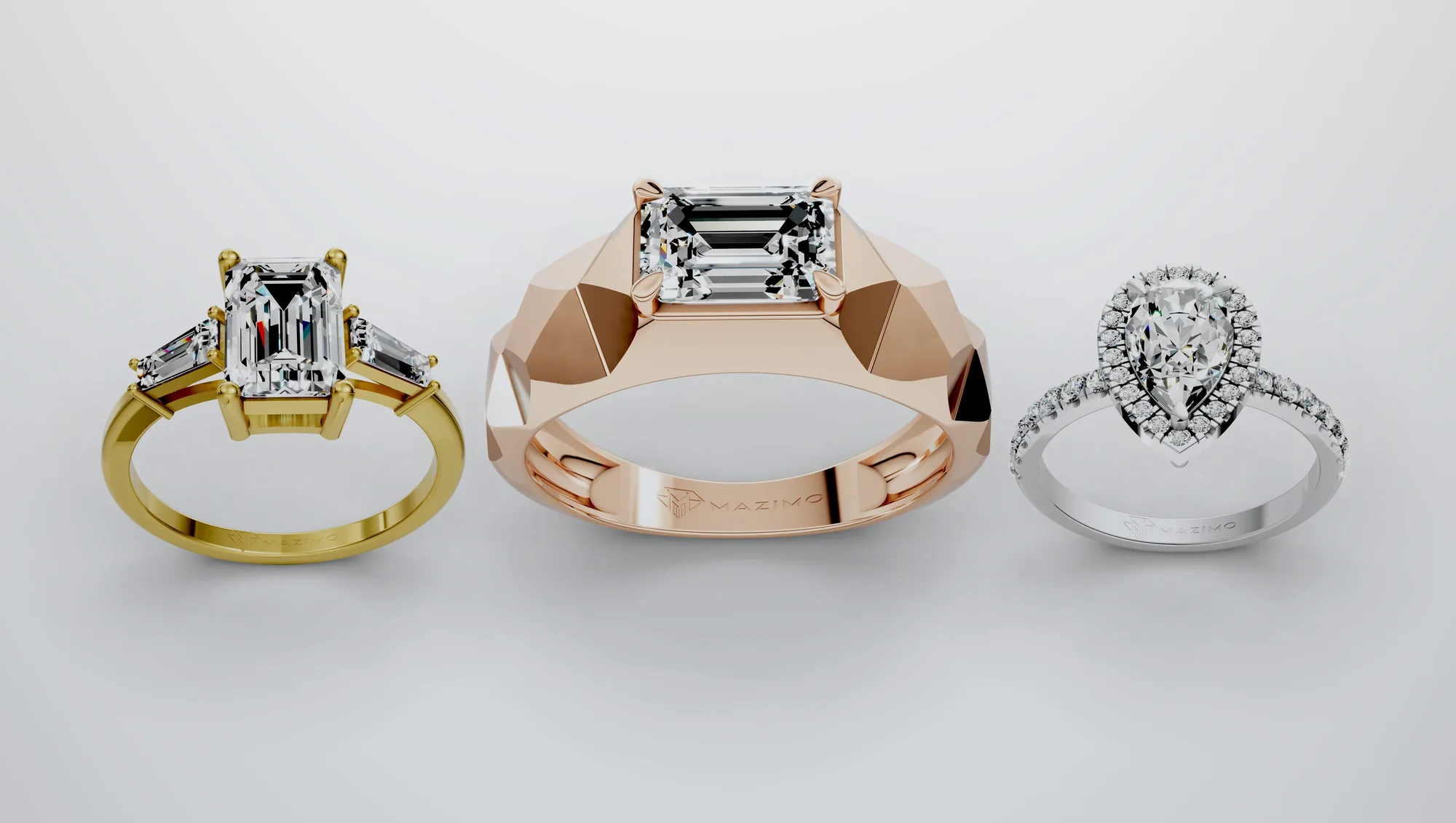
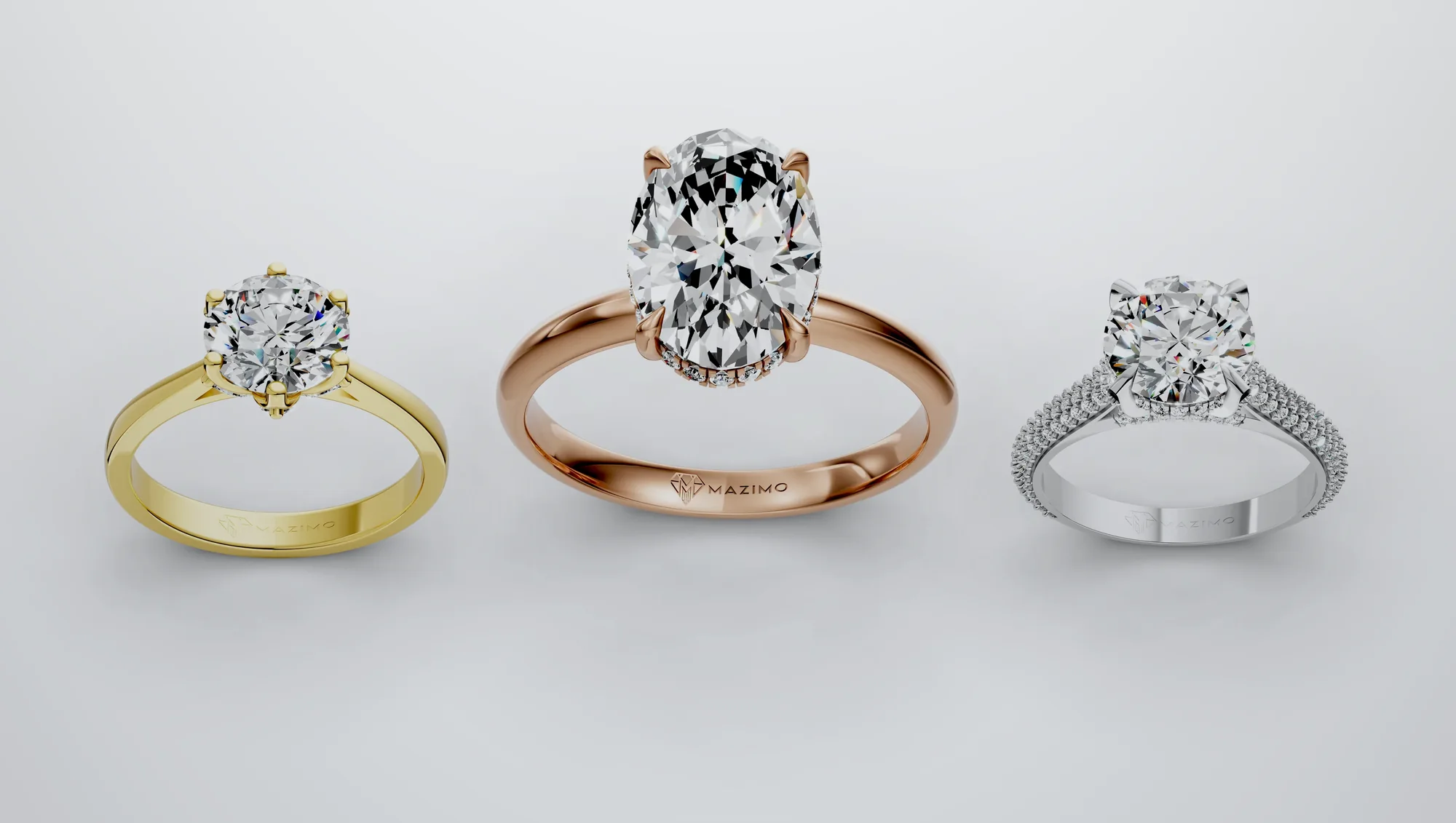
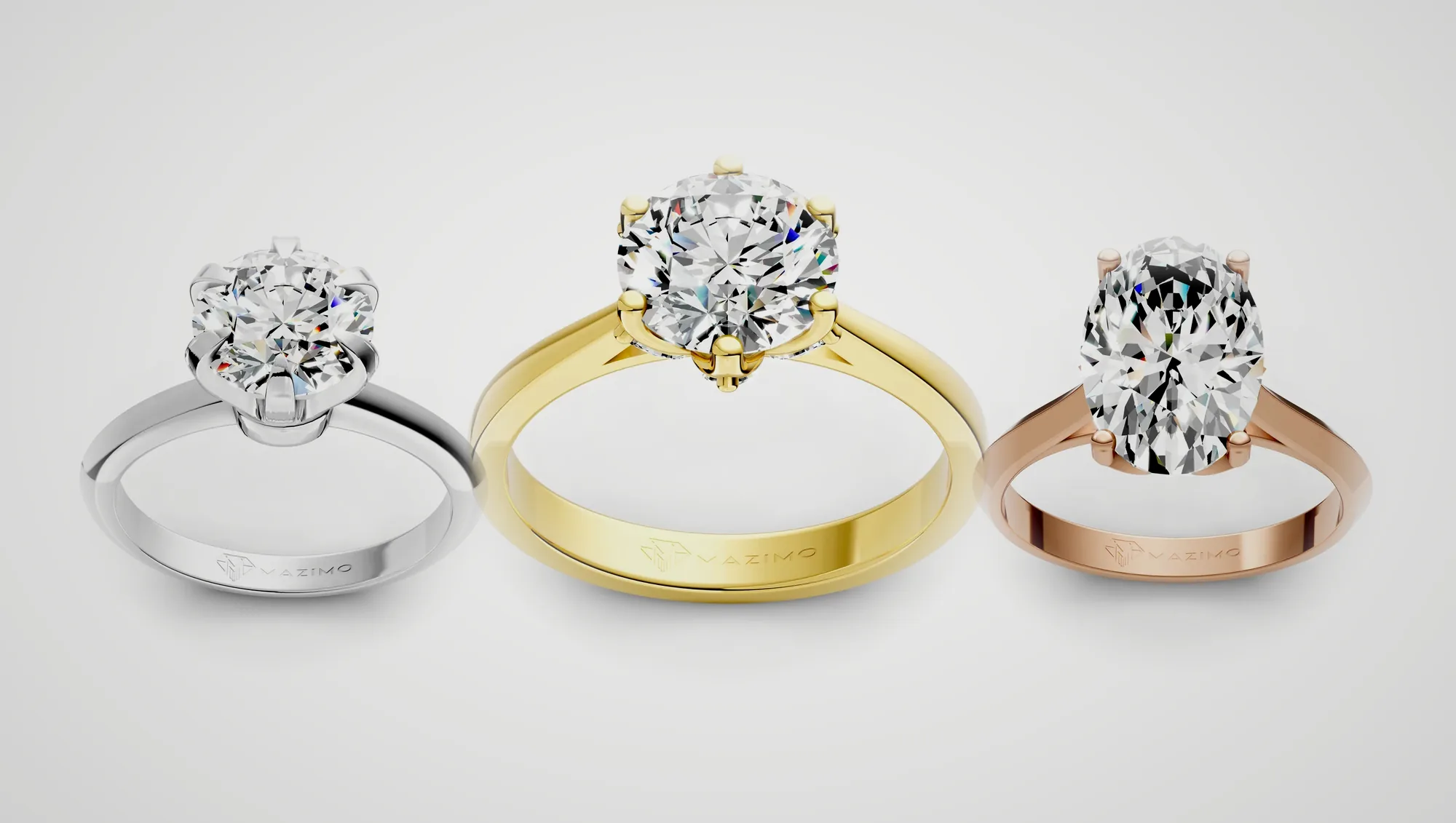
These rings are made to order in 18K gold, and the pictures shown are renders. Every ring can be made with either diamond: tell us which you prefer when you ask for the price.
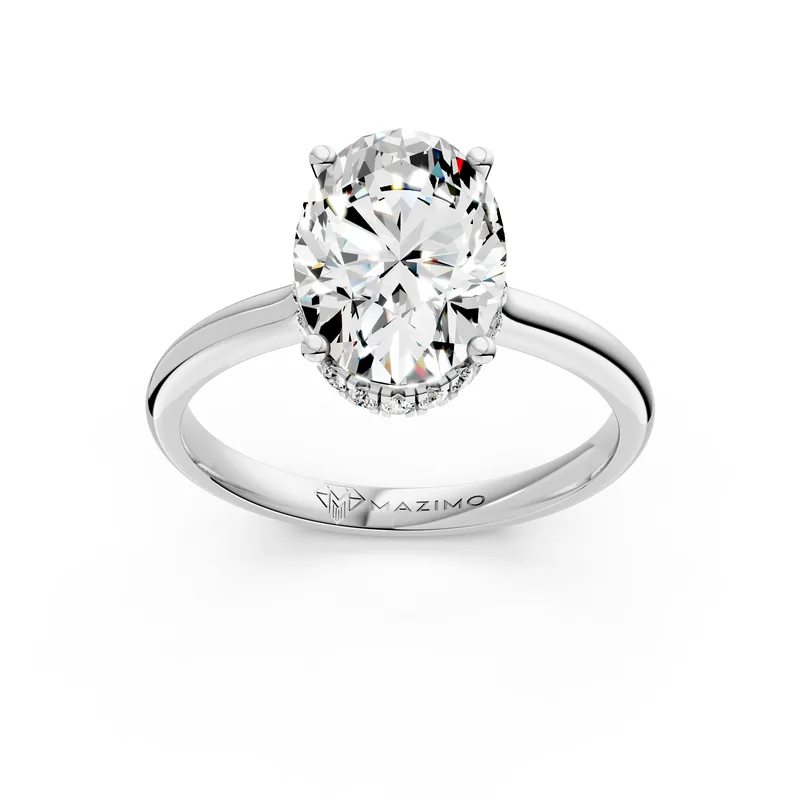 Oval Hidden Halo Solitaire Ring, 1.5 ctOval · 18K gold
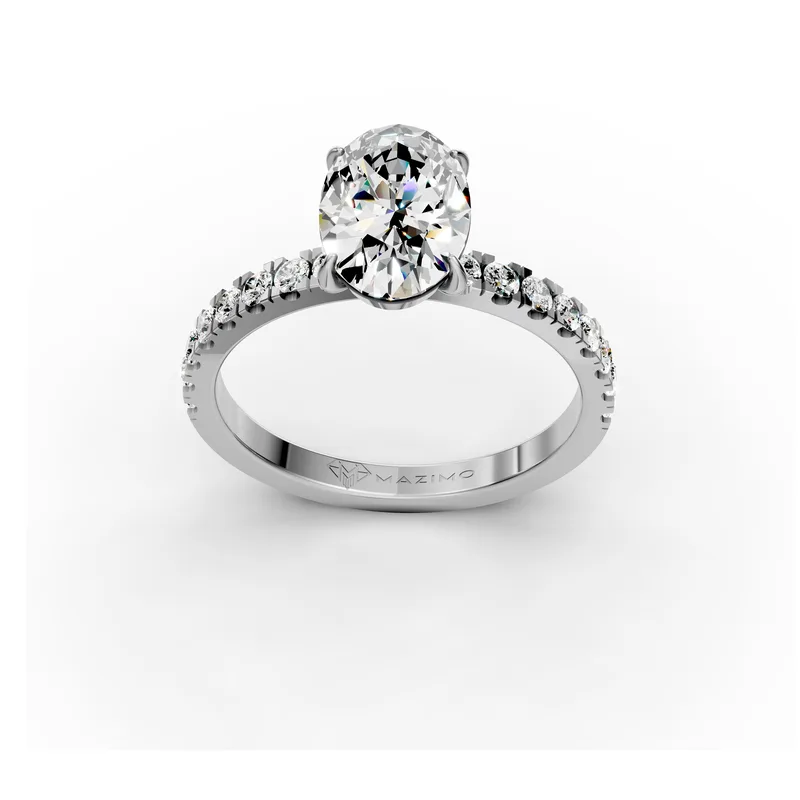 Oval Pavé Solitaire Ring, 1.5 ctOval · 18K gold
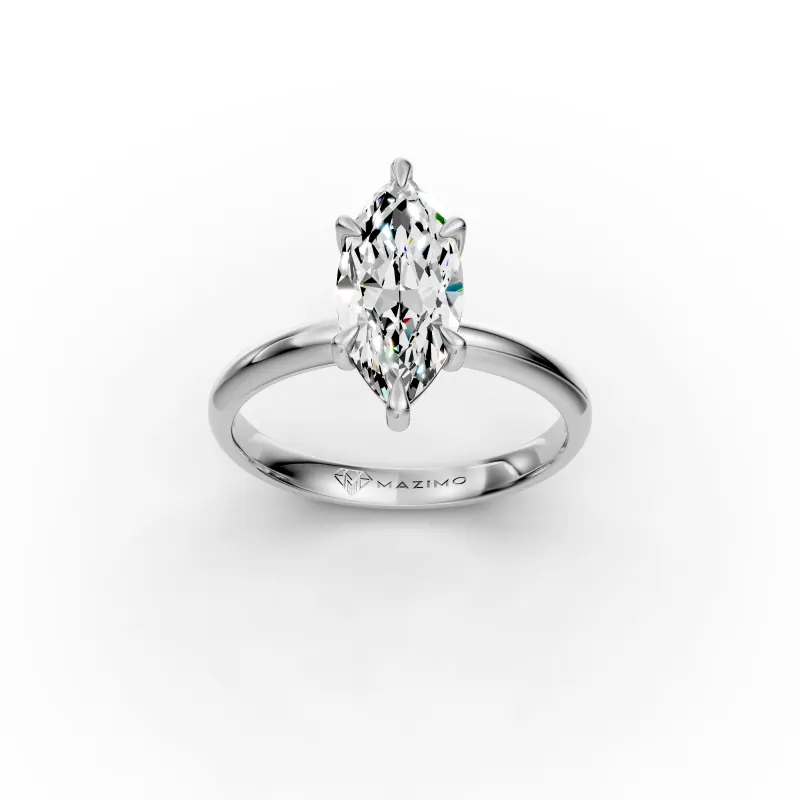 Marquise Solitaire RingMarquise · 2 ct
To start, open the designer with a 1.50 ct oval solitaire with a lab grown diamond or a 2.50 ct emerald three stone ring with a natural one. Then switch the diamond option: the design code and the message we receive change. Our guide to designing your own ring walks through it. You can also book a viewing to see and try on rings at Al Manal Center, Deira, a few minutes from the Gold Souk.
Questions people ask
Is there any downside to lab grown diamonds?
Yes: resale is minimal, supply is grown to demand while natural supply is finite, and report wording varies between laboratories. The material and Mohs hardness match a mined diamond's.
Are lab grown diamonds considered fake diamonds?
No. The FTC definition, GIA and IGI all treat a lab grown stone as diamond, not a simulant. CIBJO uses different words, so the label on the invoice matters.
Do lab grown diamonds last as long as natural diamonds?
Both score 10 on the Mohs scale, and both can chip on a hard blow. We found no GIA or IGI statement comparing their toughness.
What is the difference between HPHT and CVD diamonds?
High pressure, high temperature (HPHT) grows a diamond in a press at 1,300 to 1,600 °C. Chemical vapour deposition (CVD) grows one from gas in a chamber at about 900 to 1,200 °C. Check whether the report states any post-growth treatment.
Do lab grown diamonds have resale value?
Little. Our diamond page rates lab grown resale as minimal, and natural keeps some, well below retail. We state no figures.
Why do jewellers not like lab grown diamonds?
We cannot speak for every jeweller. GIA's 2024 update says the trade struggles to identify lab grown diamonds, partly because of mixing with natural stones, accidental and intentional. CIBJO's guidelines ask firms that deal in both to keep the two apart. A seller who stocks only one kind also has a commercial interest.
Does Dubai sell lab grown diamond rings?
Yes. We make rings with a lab grown or a natural diamond, and the designer defaults to lab grown.
At Mazimo. Preview a ring at true size in our ring designer, choose lab grown or natural, then message us the design on WhatsApp for the price. Our 18K rings are hallmarked in Dubai and delivered insured across the UAE at no charge.