DIAMONDS
24 October 2026
Diamond Clarity Chart: FL to I3 Grades and the Clarity Plot
The diamond clarity chart has 11 grades, FL to I3, graded at 10x. See what each grade and feature means, how to read the clarity plot, and how lab grown reports differ.
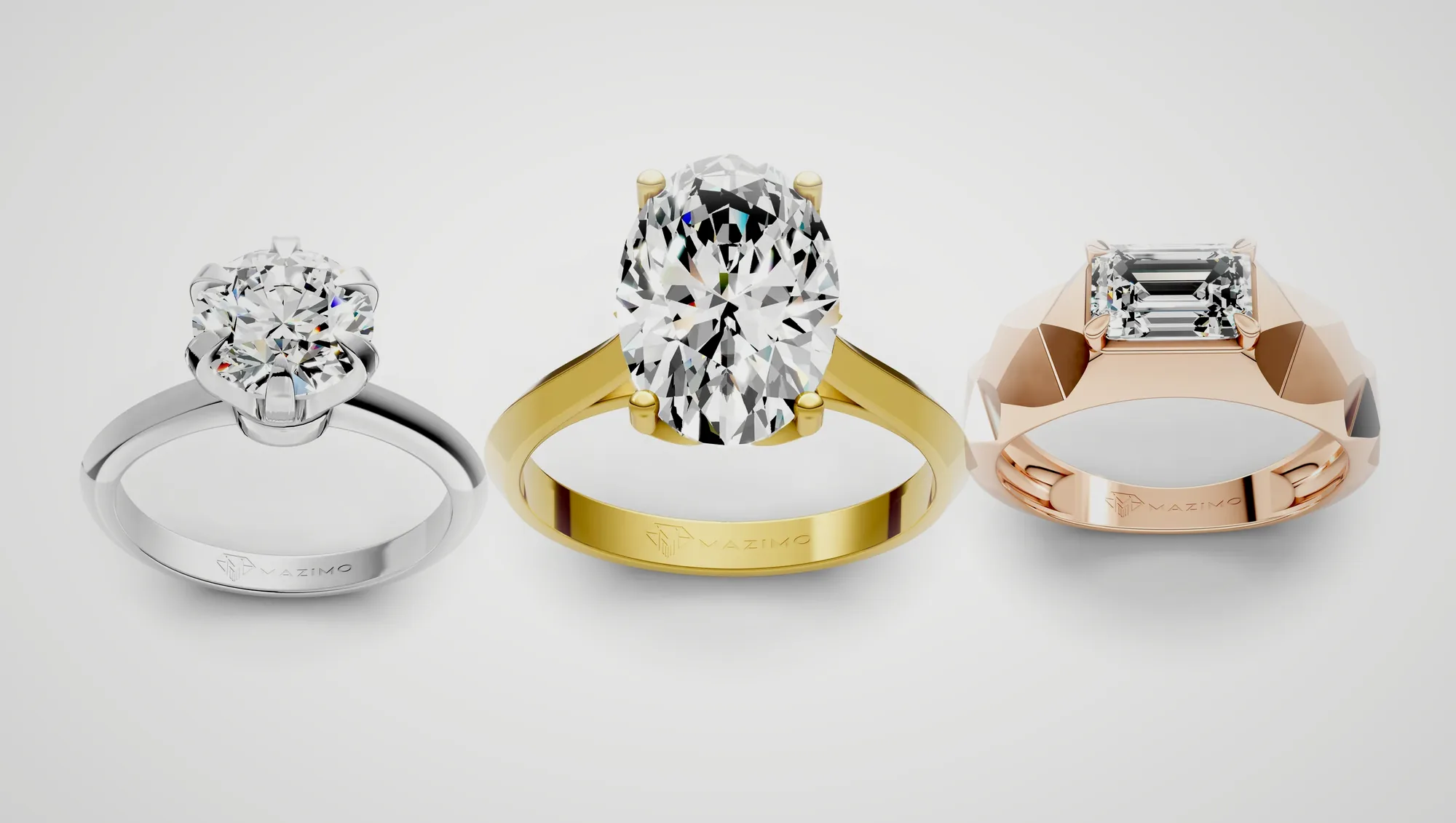
A diamond clarity chart ranks a stone on 11 grades, from FL (flawless) to I3 (included), by how few inclusions and blemishes a trained grader finds under 10x magnification. GIA and IGI use the same grade names from IF to I3. A grade is a laboratory finding about the inside and surface of the stone, not a promise about how it looks on a hand, which also depends on shape, size and where each mark sits.
At a glance
- GIA's scale has 11 grades in six groups, FL to I3, all set under 10x magnification.
- A report's clarity plot maps features on a crown view and a pavilion view; on a GIA report, red marks inclusions and green or black marks surface blemishes.
- GIA says that in almost all cases VVS and VS features cannot be seen with the naked eye, and that the obvious inclusions of the I grades may affect transparency, brilliance and durability.
- Since 1 October 2025 GIA gives colourless to near-colourless lab grown diamonds a Premium or Standard assessment, not a clarity grade, while IGI says it grades lab grown diamonds on the same core principles as natural ones, clarity included.
- Our ring pages list no clarity grade, so ask any seller, including us, whether a laboratory report exists for the stone and what it says about clarity.
Sources checked 20 October 2026. IGI's site refuses automated requests, so we read its clarity page (30 July 2023) and lab grown report page in a browser on 24 October 2026, alongside its 2019 grading chart. We have not checked UAE rules on describing clarity.
Diamond clarity chart: the 11 grades from FL to I3
The chart has 11 grades in six groups, from Flawless to Included 3. GIA's clarity page calls it one universal system, grades everything under 10x, and says most diamonds sold in jewellery stores fall between VS and SI.
The FL and IF rows follow GIA's clarity page, the VVS and VS rows follow GIA's VVS and VS article (8 August 2023), and the SI and I rows follow CIBJO's Blue Book (2026 edition, September 2026). "Difficult to see" always means at 10x, through a loupe.
| Grade | Group name | What a grader finds at 10x |
|---|---|---|
| FL | Flawless | No inclusions and no blemishes visible |
| IF | Internally Flawless | No inclusions visible, but some blemishes |
| VVS1 | Very Very Slightly Included | Minute inclusions, extremely difficult to see |
| VVS2 | Very Very Slightly Included | Minute inclusions, very difficult to see |
| VS1 | Very Slightly Included | Minor inclusions, difficult to see |
| VS2 | Very Slightly Included | Minor inclusions, somewhat easy to see |
| SI1 | Slightly Included | Noticeable inclusions, easy to see |
| SI2 | Slightly Included | Noticeable inclusions, very easy to see |
| I1 | Included | Prominent; CIBJO adds that they are also visible face up to the naked eye |
| I2 | Included | Very prominent; CIBJO says easily visible face up, slightly reducing brilliancy |
| I3 | Included | Extremely prominent; CIBJO says very easily visible, reducing brilliancy |
GIA says it issues no SI3, though some laboratories do. IGI's 2019 grading chart lists the same names from IF to I3, and CIBJO gives piqué (P1 to P3) as alternative names for I1 to I3.
What does a diamond clarity grade measure?
A clarity grade measures how free a diamond is of inclusions, the features inside it, and blemishes, the marks on its surface, as seen at 10x. GIA weighs size, number, location, relief (contrast with the surrounding diamond) and nature (the type of feature). Features near the centre of the table, the large flat top facet, affect the grade more.
GIA's introduction to clarity says inclusions may be present from the diamond's creation, for example when small crystals become trapped as it forms under heat and pressure, while blemishes occur after formation, in cutting, mounting and wear. Another GIA article adds that inclusions usually affect beauty and value more than blemishes.
Grading is final only at 10x, and GIA notes that many of the characteristics behind a grade likely will not be visible without magnification. So a grade cannot be judged across a counter. Whether a stone looks clean to you is a separate question, which our eye clean diamond guide answers for VS1, VS2 and SI1.
Clarity characteristics: feather, cloud, pinpoint and the rest
Clarity characteristics are the named features behind a grade: a pinpoint is a tiny crystal dot, a cloud is grouped pinpoints, a feather is a break. The table paraphrases GIA's definitions from its articles on inclusions and blemishes (both 2013) and takes the plot colours from GIA's plotting article (2015).
| Characteristic | What GIA says it is | Plot colour |
|---|---|---|
| Pinpoint | A tiny crystal that shows as a dot at 10x | Red |
| Crystal | A mineral crystal held within the stone | Red |
| Needle | A slender, rod-shaped crystal at 10x | Red |
| Cloud | A tight group of pinpoints that reads as haze | Red |
| Feather | A break in the stone, often pale and wispy | Red |
| Knot | A crystal that reaches the surface after cutting | Red and green |
| Cavity | An angular gap left when part of a feather breaks off or a surface crystal falls out | Red and green |
| Laser drill hole | A narrow channel to the surface cut by a laser: a treatment | Red and green |
| Natural | A patch of the rough stone's original surface, usually at or near the girdle (the narrow band between the top and bottom of the stone) | Green |
| Extra facet | A facet the cut does not call for, usually near the girdle | Black |
| Abrasion, scratch, nick, pit | Minor surface marks | Not stated; GIA's blemish rule is green or black |
How to read the clarity plot on a diamond report
The plot is a map of the stone's clarity characteristics, drawn on a crown (top) view and a pavilion (bottom) view. GIA says it records the diamond's condition when graded and also identifies it, since no two diamonds below FL and IF share the same features. Read it in five steps.
- Find the Key to Symbols. It lists only the characteristics drawn on this stone.
- Read the colours. GIA's reading guide says red symbols denote inclusions and green or black ones denote blemishes. GIA's plotting article adds that red and green together mark cavities, indented naturals, knots, etch channels and laser drill holes.
- Locate each mark. Symbols show the type, position and approximate size of each characteristic.
- Note the order. Characteristics are listed by importance to the grade, laser drill holes first.
- Read the Comments line. Faint or widespread features may be left off the plot and described there, as would a detected treatment such as laser drilling.
The plot is a guide, not a photograph: GIA's footnote calls it an approximate representation and says all clarity characteristics may not be shown. The sample report in GIA's 2026 guide, a round brilliant graded SI2, has a key of four items: crystal, cloud, feather and natural. By GIA's colour rule, three are inclusions and the natural is a blemish.
Not every report has a plot. GIA's 2015 plotting article says its Diamond Dossier and Diamond eReport list up to four significant characteristics instead, while its Diamond Grading Report carries the plot. GIA's 2026 reading guide says that report is issued for loose natural diamonds of 0.15 carat and up. IGI's clarity page (30 July 2023) says its grading reports show plotted diagrams of clarity characteristics, marked red for internal and green for external features.
Our reading: when two stones share a grade, compare plots, not letters. GIA's VVS and VS article shows two feathers: a VVS2 feather that a prong will likely hide, and a VS1 feather under the table that no setting can hide.
VVS vs VS clarity: what GIA says separates them
VVS stones hold minute inclusions, extremely or very difficult to see at 10x, and VS stones hold minor ones, difficult or somewhat easy to see. GIA says that in almost all cases neither group's features can be seen with the naked eye, and that a stone with an eye-visible inclusion would not receive VVS1 or VVS2. In very rare cases a large VS stone might show one.
GIA adds that step cuts, such as the emerald cut, and some brilliant cuts, such as the marquise, suit higher clarity grades. Our diamond 4Cs guide puts clarity beside cut, colour and carat.
Which clarity features affect durability?
GIA links durability concerns to feathers and other inclusions that reach the surface, to very deep feathers, and to the I2 and I3 grades. GIA says certain inclusions, especially near the girdle, can leave a stone more vulnerable: a stone hit precisely on a feather or other surface-reaching inclusion might chip. It says very deep feathers, those running from crown to pavilion or about one-third of the way in or more, could pose durability concerns.
GIA's buying guide says to make sure there are no large chips or feathers at the girdle or tips, and notes that stones in the I range, I2 and I3 in particular, can sometimes have durability issues. On a plot, find the feather symbol and note where it sits. Our bezel vs prong guide shows what each setting covers at the edge.
Laser drilling, fracture filling and the word flawless
Some treatments change how clarity looks, and the paperwork should say so. GIA grades laser-drilled diamonds and records the drill holes as inclusion features, and it calls the treatment permanent. Fracture filling, a glass-like fill in surface-reaching fractures, is not permanent: GIA passes on accounts of filled stones damaged by high heat, says many laboratories (GIA among them) will not grade a filled diamond, and says the seller must disclose it.
In the US, the FTC's guide for jewellers (July 2019) names both treatments and says to disclose treatments at the point of sale and in print advertising. CIBJO lists both among diamond treatments. We have not checked UAE rules. A laser inscription on the girdle is not laser drilling: GIA says an inscription is not a clarity characteristic, and CIBJO calls it an accepted practice, not a treatment.
Flawless is defined too. Under 16 CFR 23.13 of the FTC Jewelry Guides, calling a diamond flawless is unfair or deceptive if a skilled grader, at 10x with adequate light, finds flaws, cracks, inclusions, carbon spots, clouds, internal lasering or other blemishes. The Guides apply in the US, but if a seller here says flawless, ask for a report that grades the stone FL.
Diamond clarity chart for lab grown diamonds
The same chart applies where a laboratory uses it. IGI says it evaluates lab grown diamonds on the same core principles as natural ones, clarity included, and its lab grown report page prints a clarity scale from IF to I1-3. IGI adds that a report may state the growth method in its comments, a separate line from clarity: see our CVD and HPHT guide. GIA's assessment, which began on 1 October 2025, reports a Premium or Standard class instead of a grade from the chart, although its criteria are written in VVS and VS terms.
GIA announced the change on 2 June 2025: it would stop using its natural-diamond colour and clarity terms for lab grown diamonds.
GIA's August 2025 notice sets out the assessment, from 0.15 carat up: each stone is classed Premium or Standard, and Premium needs clarity VVS or higher and D colour, among other criteria. GIA's criteria chart says it covers loose, colourless to near-colourless stones. Any mix of Premium and Standard ratings counts as Standard, which allows clarity down to VS and colour down to J. Stones below those limits get no assessment, which on our reading includes SI and I clarity.
GIA also said existing GIA reports for lab grown diamonds remain valid, so a quote giving a GIA clarity such as VS1 for a lab grown stone may rest on an older report: ask for its date. We found no GIA or IGI statement that a lab grown stone of a given grade looks different from a natural one, or is more often eye clean. Our lab grown diamond pros and cons and lab grown and natural comparison cover the rest.
Choosing a clarity grade and what to ask a seller
No single grade suits every stone. GIA says most diamonds down to VS2 or even SI1 lack easily visible inclusions, and our eye clean guide gives our reading for VS1, VS2 and SI1. Start with the plot, then the grade, then the shape.
- Plot first. Check position and any feather before you compare letters.
- Match grade to shape. Step cuts such as the emerald, and the marquise, suit higher clarity, per GIA: see our emerald cut engagement ring guide.
- Allow for size. GIA says a large VS stone might very rarely show an inclusion but gives no size in that article; our emerald cut engagement ring guide covers what GIA advises for larger emerald cuts. Our centres run from 1 ct to 10 ct on the card, so ask about clarity before you choose a large one.
- Ask for the paper. Laboratory, report number and date, then check the number on the laboratory's own site: see our guides to GIA reports and IGI reports. Read the Comments line for any treatment.
- Weigh clarity against the rest. See our cut grade guide and colour grade guide.
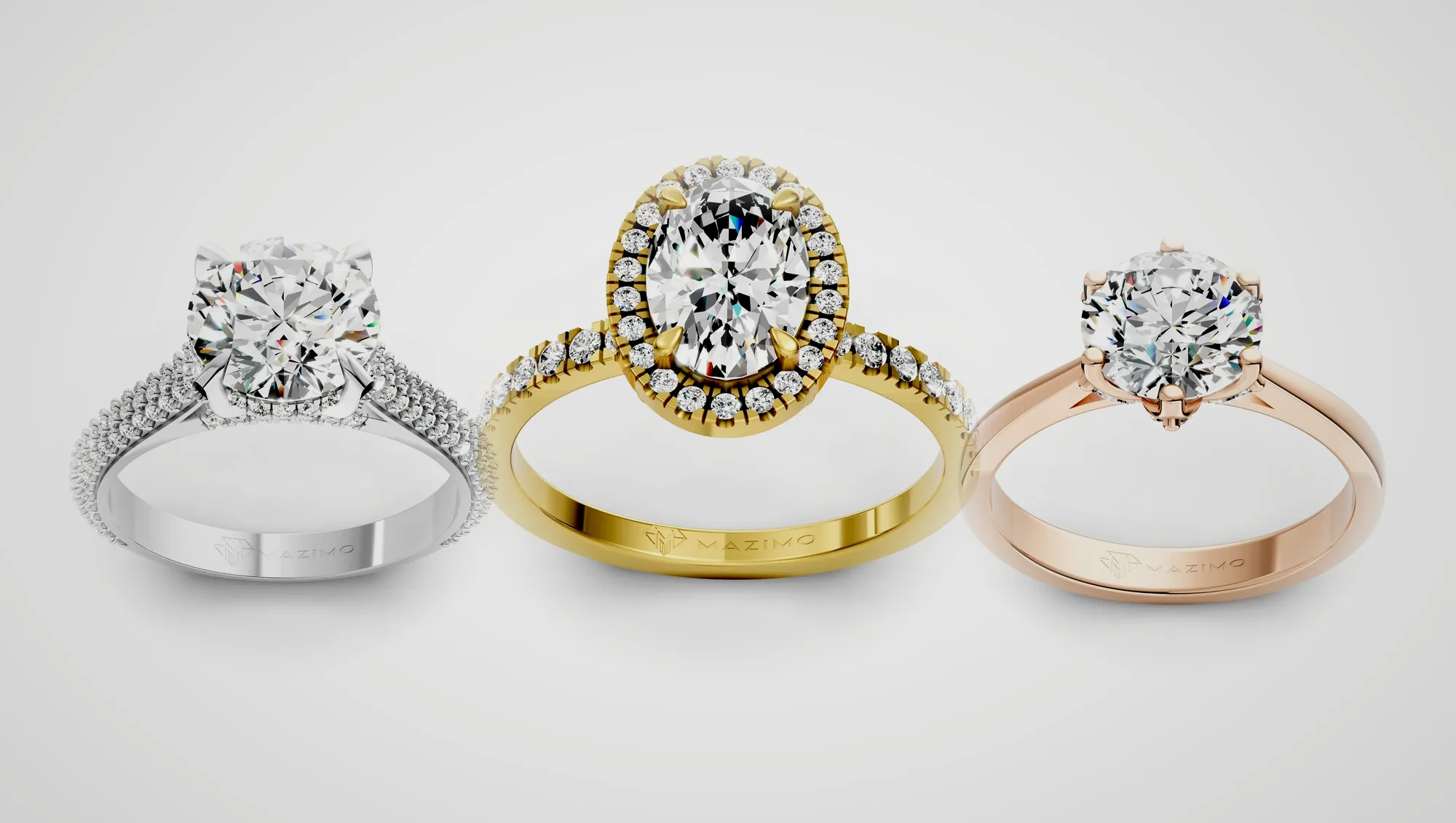
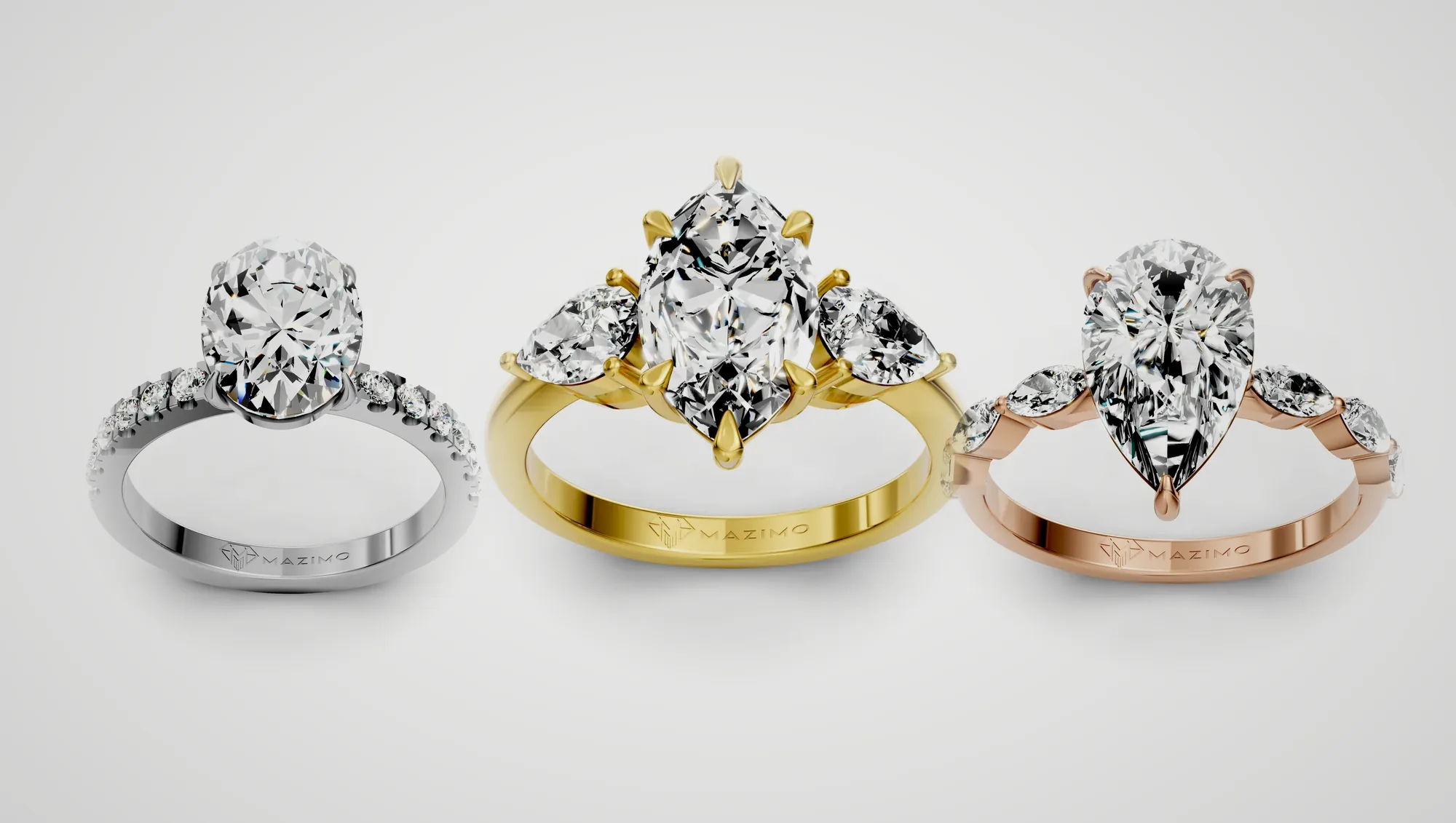
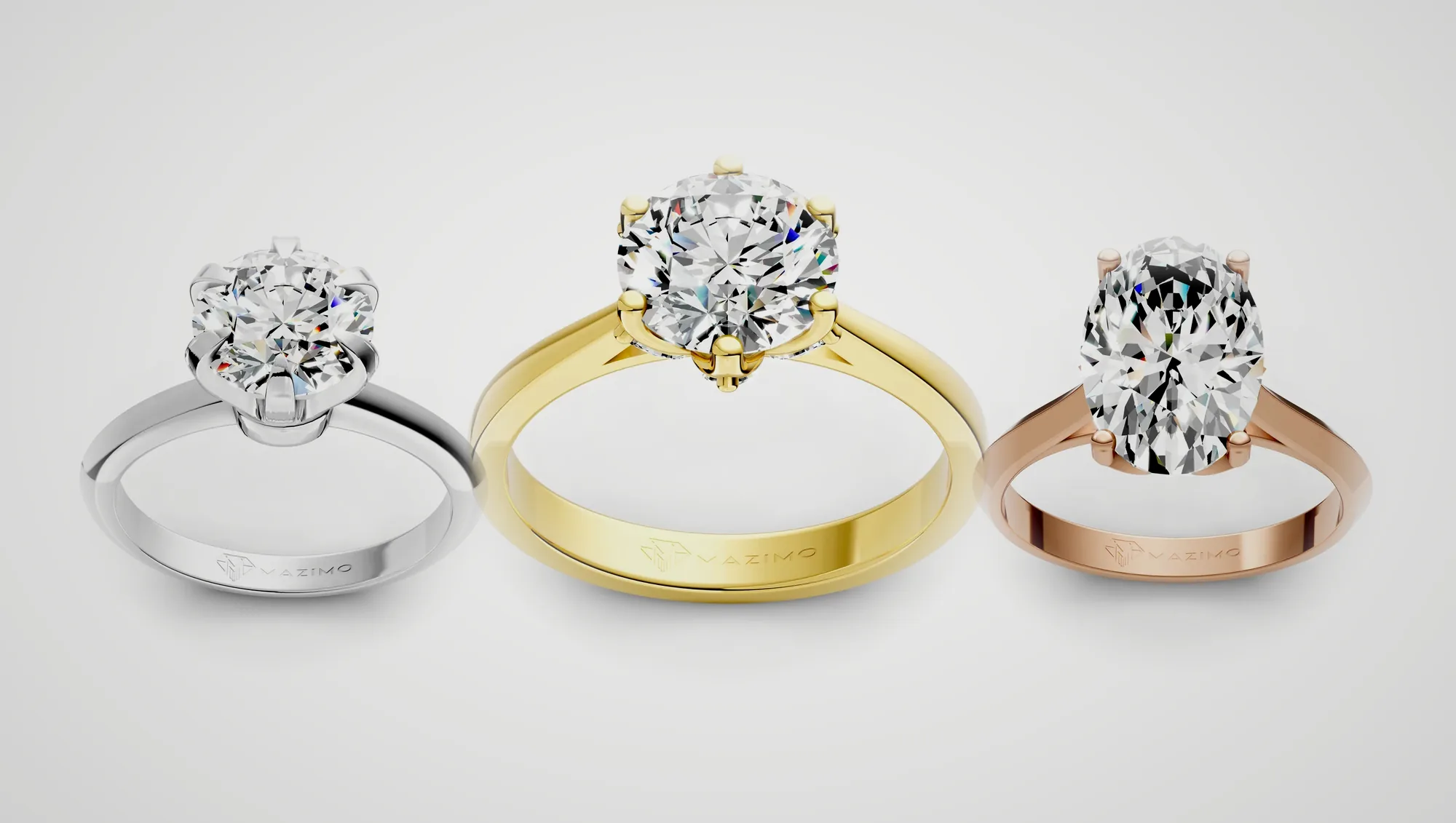
Three of our 48 diamond rings have an emerald cut centre and eleven a marquise (October 2026): filter for emerald or marquise. The four rings below are shown in white gold: an emerald cut and a marquise, two shapes GIA names as suiting higher clarity, then an oval and a round for comparison. Their centres measure about 7.78 × 5.46 mm, 11.70 × 5.98 mm, 12.03 × 8.12 mm and 8.05 × 8.07 mm, in card order. Our ring pages state no clarity grade for any of them. We can set a natural or a lab grown centre, so tell us which you prefer.
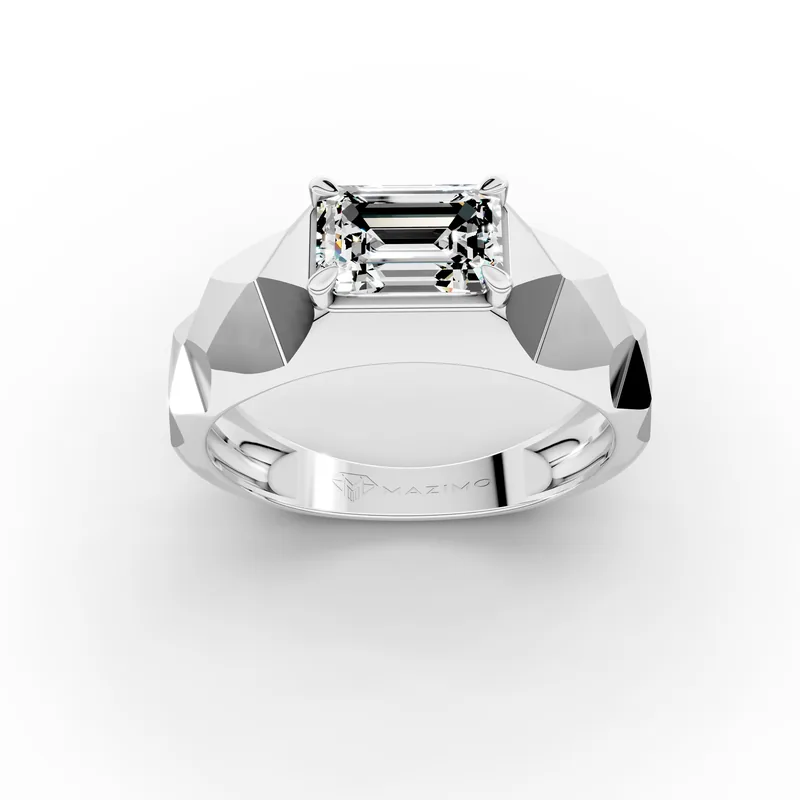 Emerald Faceted RingEmerald · 1.5 ct
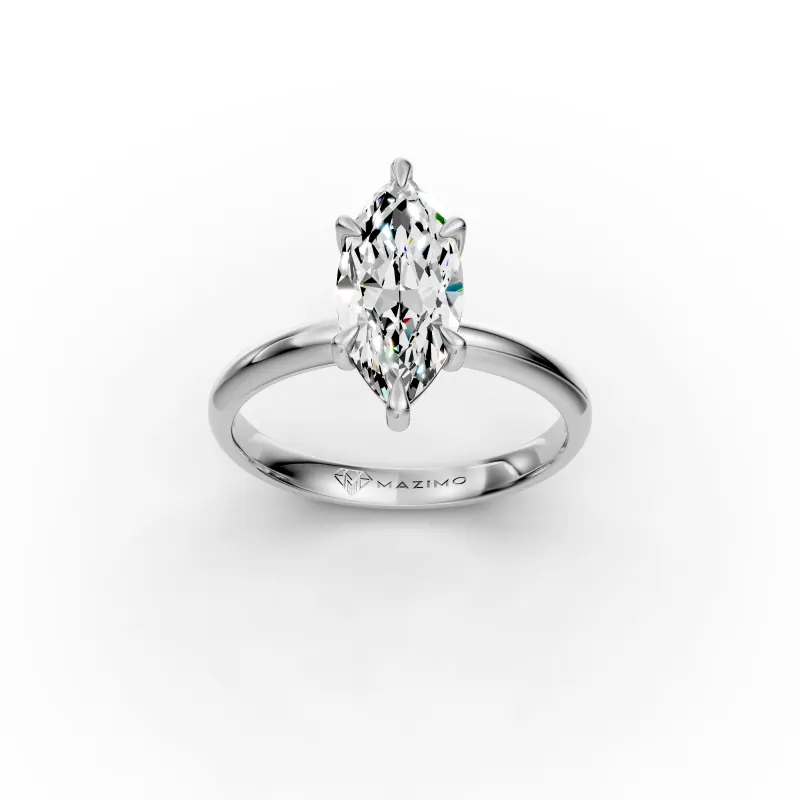 Marquise Solitaire RingMarquise · 2 ct
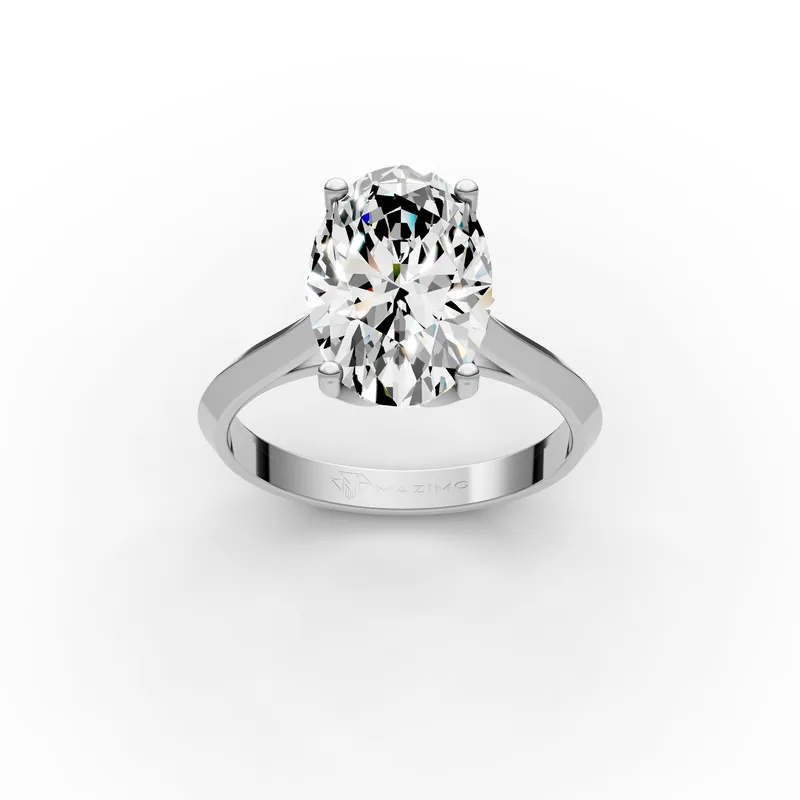 Oval Solitaire Ring, 3.5 ctOval · 3.5 ct
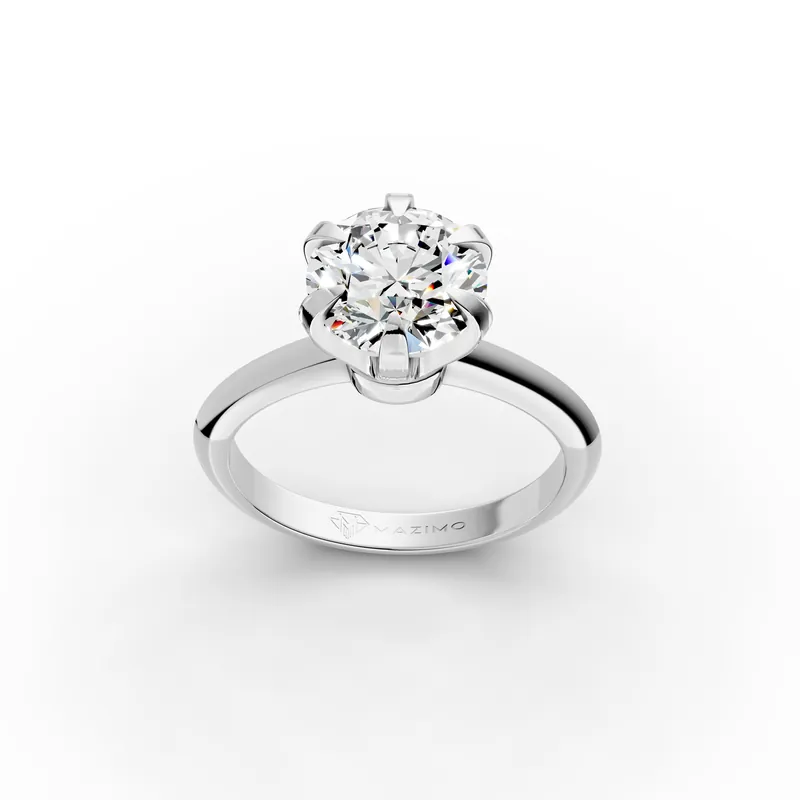 Round Solitaire Ring, 2 ctRound · 2 ct
Questions people ask
What is the difference between VVS and VS clarity?
VVS inclusions are minute and extremely or very difficult to see at 10x, while VS inclusions are minor and difficult or somewhat easy to see. GIA says that in almost all cases neither can be seen with the naked eye.
What are feathers, clouds and pinpoints in a diamond?
They are types of inclusion. GIA treats a pinpoint as a tiny crystal that shows as a dot under the loupe, a cloud as a tight group of pinpoints that reads as haze, and a feather as a break in the stone, often pale and wispy.
How do you read the clarity plot on a diamond report?
Find the Key to Symbols, then match each mark on the crown and pavilion views to it. On a GIA report, red marks are inclusions and green or black marks are surface blemishes. The diagram is approximate, and not every characteristic may be shown.
Do lab grown diamonds use the same clarity chart as natural diamonds?
It depends on the laboratory. IGI says it grades lab grown diamonds on the same core principles as natural ones, clarity included, and its lab grown report page lists clarity grades from IF to I1-3. GIA differs: since 1 October 2025 it gives colourless to near-colourless lab grown stones a Premium or Standard assessment, not a clarity grade, though older GIA reports remain valid.
What clarity grade is good enough for an engagement ring?
There is no single answer, because shape and the position of each mark matter. GIA says most diamonds down to VS2 or even SI1 lack easily visible inclusions. Our eye clean diamond guide gives our reading for VS1, VS2 and SI1.
Can you see I1 inclusions with the naked eye?
Often. CIBJO's trade standard says I1 inclusions are also visible face up to the naked eye, and GIA calls the inclusions in the I grades obvious and says they may affect transparency, brilliance and durability. How easily you see them depends on the stone and the viewer.
At Mazimo. Our diamond rings are made to order in 18K gold, in UAE sizes 46 to 62, hallmarked in Dubai and delivered insured across the UAE at no charge. Preview a ring at true size in our ring designer, message us on WhatsApp for the price, and ask us whether a report applies to your stone and what it says about clarity. Our guide to IGI and GIA reports in Dubai covers what to check next.